
!!New publication!!
I am excited to share the excellent recent paper by Rasika Nandana, PhD I contributed to with Prof Martha Savage and Peter Andreae.
https://rsnz.onlinelibrary.wiley.com/doi/10.1002/jgo2.70076
Key points are:
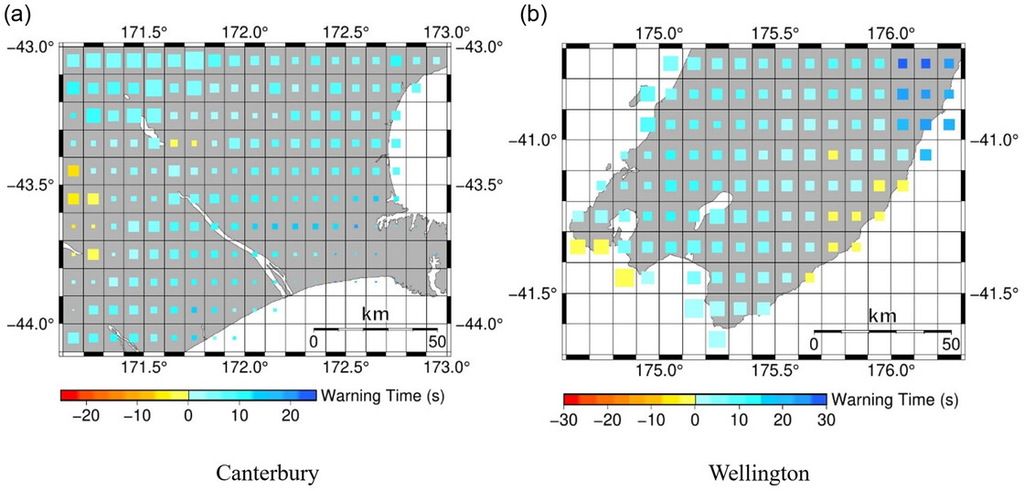
– We tested the feasibility of a National Earthquake Early Warning System for New Zealand (performs well in Canterbury, but Wellington may require further enhancement to the sensor network. The study also demonstrates the robustness of the algorithm under simulated sensor or communication breakdowns, particularly in regions with high seismic instrument density)
– Evaluated on a Physics-Based Synthetic Earthquake Catalogue (Shaw et al., 2022)
– Using full synthetic seismic waveforms (full kinematic rupture, stochastic propagation including site specific classification)
Thank you Rasika Nandana, PhD for pushing this important paper through!
Recent Comments